

“It’s the smallest deal I’ve ever had, but it’s the most complicated.”
That’s what the broker said about this one. And after walking through the details, it’s easy to see why.
The Property
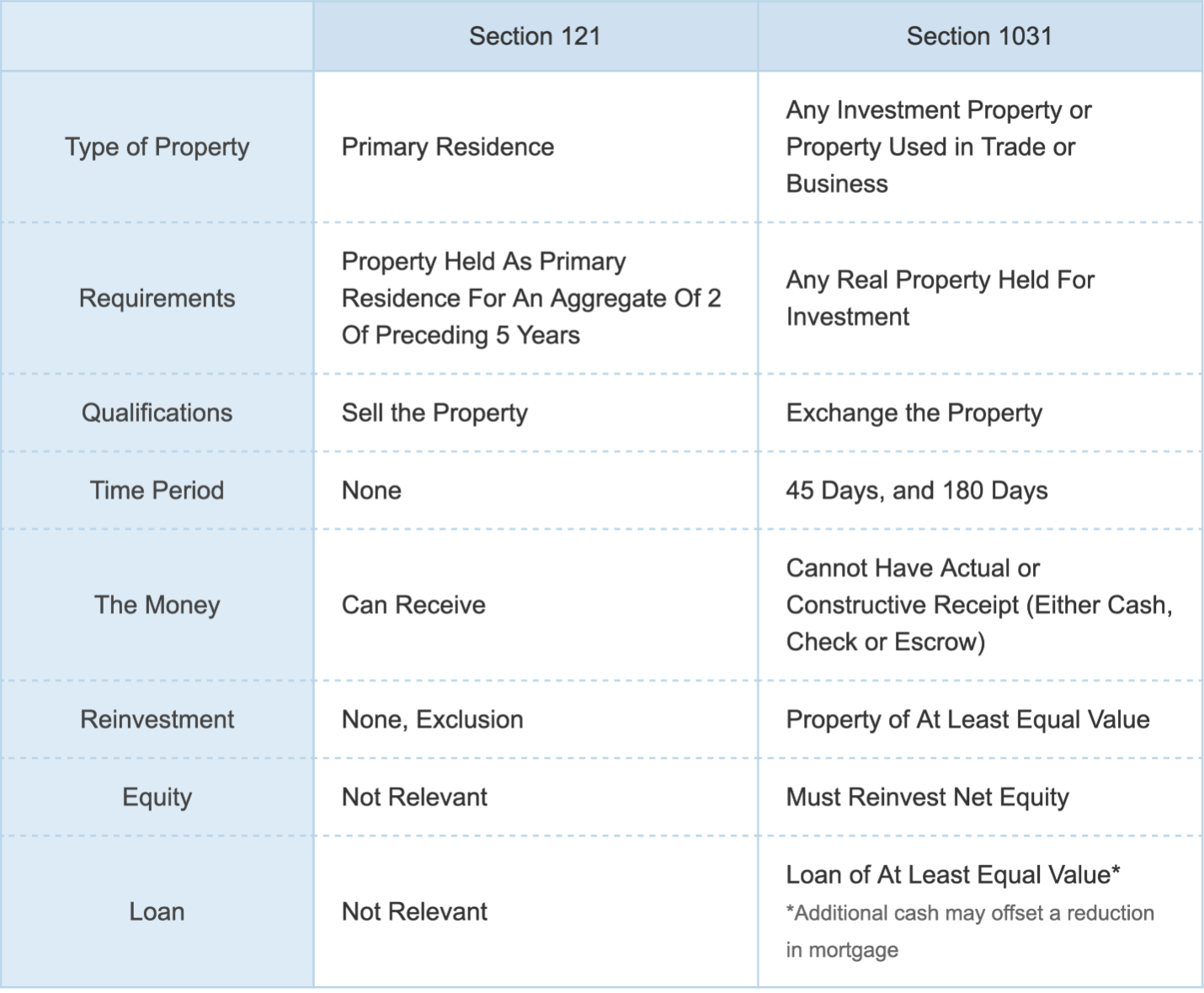
A $650,000 mixed-use building: a gas station, retail units, and a residential unit, all under one roof. Because a primary residence doesn’t qualify for a 1031 exchange on its own, this deal required a dual-exemption approach: a 1031 exchange on the investment portions of the property, and a Section 121 exclusion on the residential unit.
What is Section 121?
Section 121 is the IRS provision that allows individuals selling a primary residence to exclude up to $250,000 of gain from taxation ($500,000 for married couples), provided the home was used as a primary residence for at least 2 of the preceding 5 years. A primary residence doesn’t qualify for 1031 exchange treatment on its own, but when it’s part of a mixed-use property, both exemptions can be applied to their respective portions.
Other examples where this dual structure applies:
- A working farm where the farmland goes through a 1031 and the farmer’s house uses Section 121
- A duplex where one unit is owner-occupied (121) and the other is a tenant rental (1031)
- A home with a partitioned home office or additional land (1031 on the commercial/land portion)
This deal was a textbook example of why understanding both provisions, and how they work together, matters before you get to the closing table.
Questions about a complex exchange? Call us at 800-735-1031.
The Guys With All The Answers…
 David and Thomas Moore, the co-founders of Equity Advantage & IRA Advantage
Whether working through a 1031 Exchange with Equity Advantage, acquiring real estate with an IRA through IRA Advantage or listing investment property through our Post 1031 property listing site, we are here to help Investors get where they want to be. Call them today! 503-635-1031.